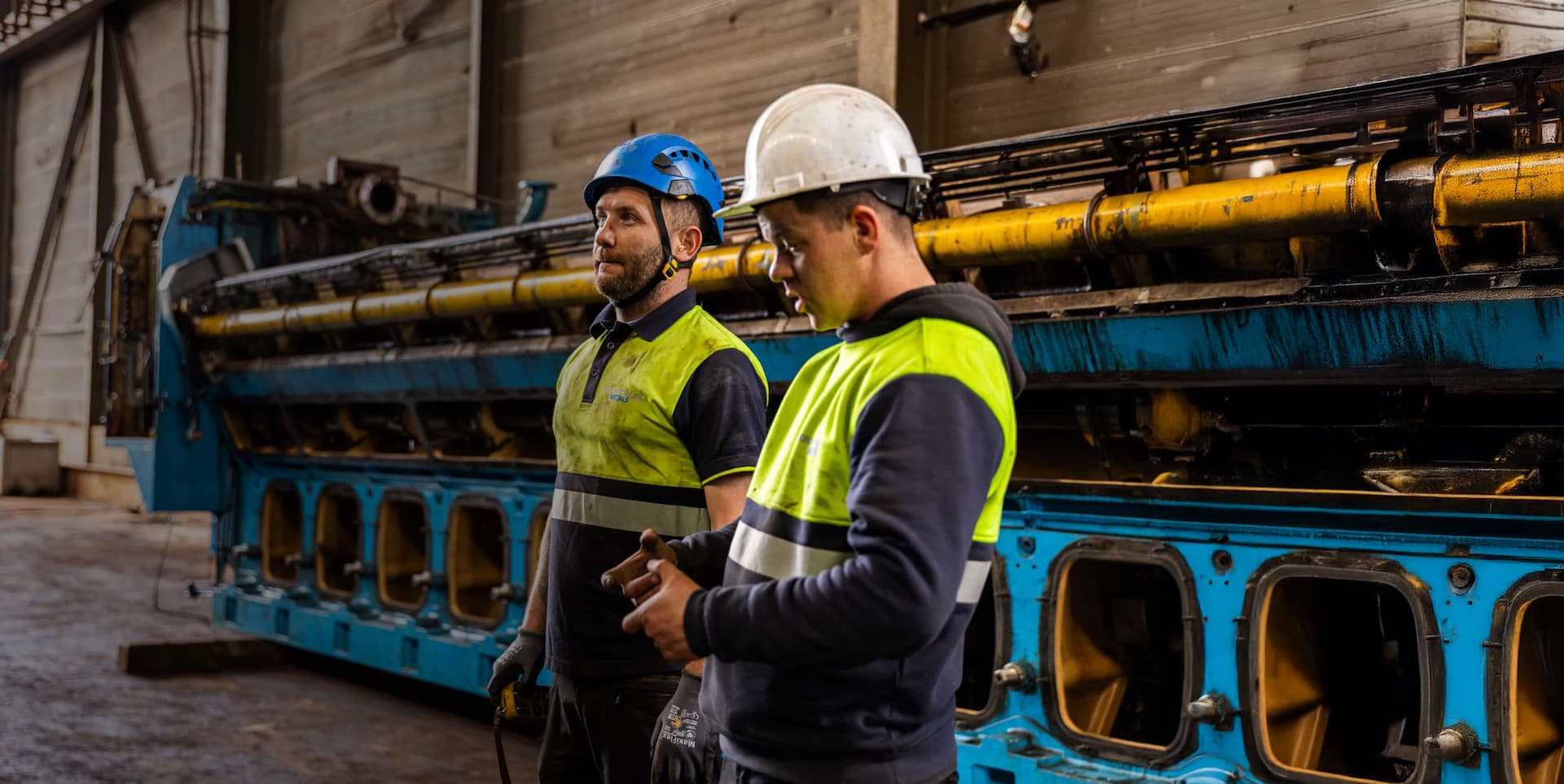
Recycling E-Waste at Krommenhoek
- Introduction: An explanation of e-waste and why it is important to pay attention to it.
- The Scale of E-Waste: An explanation of how much electronic waste is generated worldwide and its impact on the environment and society.
- E-waste recycling: an explanation of what e-waste recycling is and why it is important to recycle electronic waste properly.
- How Can You Recycle E-Waste?: Tips and advice on how to properly recycle electronic waste and where to take it for recycling.
- Sustainable Management of E-Waste: Tips on how to manage electronic devices sustainably so you can extend their lifespan and reduce e-waste.
- Conclusion: Summary of the key points and the importance of recycling and managing e-waste sustainably.
Electronic devices have greatly enriched our lives. We are now able to do things we couldn’t even imagine before. But this constant innovation also has a downside: e-waste. E-waste is the fastest-growing waste problem in the world and poses a threat to our planet and our health. In this blog, you’ll learn more about e-waste and why it’s important to pay attention to it.
The Scale of E-Waste
According to a 2019 United Nations report, more than 53 million metric tons of e-waste were generated worldwide that year. This is comparable to the weight of all commercial aircraft currently in operation around the world. Most of this waste ends up in landfills or is incinerated, causing air, soil, and water pollution. In addition, e-waste often contains hazardous chemicals, such as lead and mercury, which are harmful to people and the environment. Fortunately, the collection and processing of e-waste in the Netherlands is fairly well organized, but there is still a long way to go.
E-waste Solved
There is no single solution to the growing problems surrounding e-waste. To truly tackle the problem, we need to look at the entire supply chain: at manufacturers, to ensure that devices last longer; at distributors and retailers, to prevent waste in the supply chain; at consumers, to encourage them not to always seek out the very latest models and to repair rather than throw away; and finally, at high-quality e-waste recycling.
High-quality e-waste recycling can make a significant contribution to solving this growing problem. By recycling electronic waste properly, valuable raw materials can be recovered and reused. This reduces the need to extract new raw materials and eases the pressure on the environment.
How can you recycle e-waste?
Recycling e-waste isn’t always easy, but there are certainly options. In many countries, there are recycling centers where you can drop off your old electronic devices. These can range from simple collection bins to special collection days or even collection drives organized by schools and businesses. It’s especially important to collect e-waste separately and to ensure it ends up with a professional and certified company. That way, you can be sure that the environmental impact is minimized and that the largest possible share of raw materials is recovered.
Sustainable Management of E-Waste
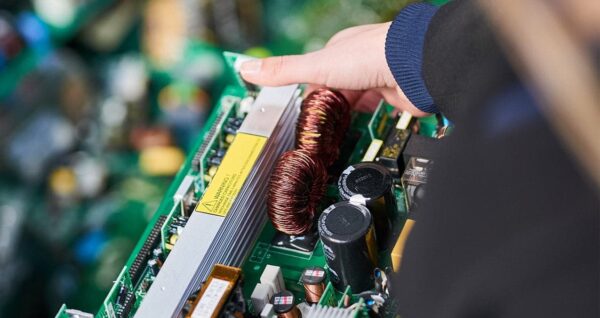
It’s not only important to recycle your e-waste properly, but also to use your electronic devices sustainably. For years, we’ve been familiar with the Lansink ladder, which outlines the most important steps for managing waste. First and foremost is waste prevention, followed by reuse, and then recycling. This is exactly how we’ve structured our processes at Krommenhoek. Even when devices can no longer be repaired, we make every effort to reuse parts or even small components. If the devices really do need to be recycled, we do so in the most sustainable way possible by dismantling them by hand.
E-waste Mixed in with the Trash
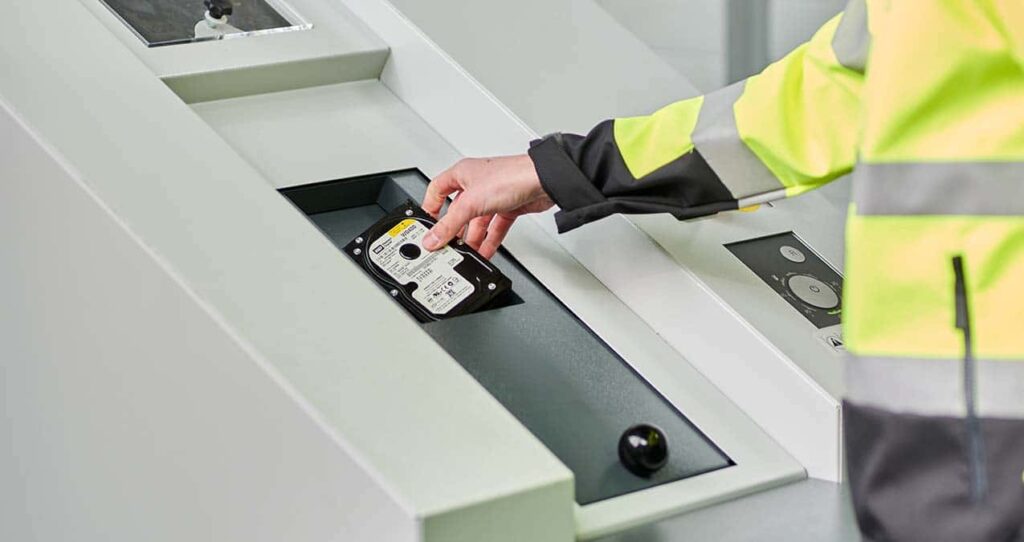
We still see a lot of e-waste ending up in the trash, even at large companies. This is despite the fact that disposing of waste costs money, while turning in e-waste often brings in money. We also often see electronics being destroyed unnecessarily. Instead of just destroying the data or the hard drive, companies require that entire laptops—sometimes less than 5 years old—be destroyed.
Conclusion
E-waste is a growing problem, and it’s important to address it. By properly recycling electronic waste and using our electronic devices sustainably, we can reduce the impact of e-waste and contribute to a cleaner and healthier planet. Let’s work together to tackle this problem and build a sustainable future.
Need help?
Do you have any questions, or would you like immediate assistance? Our team is ready to provide you with personalized advice and the right solution.