


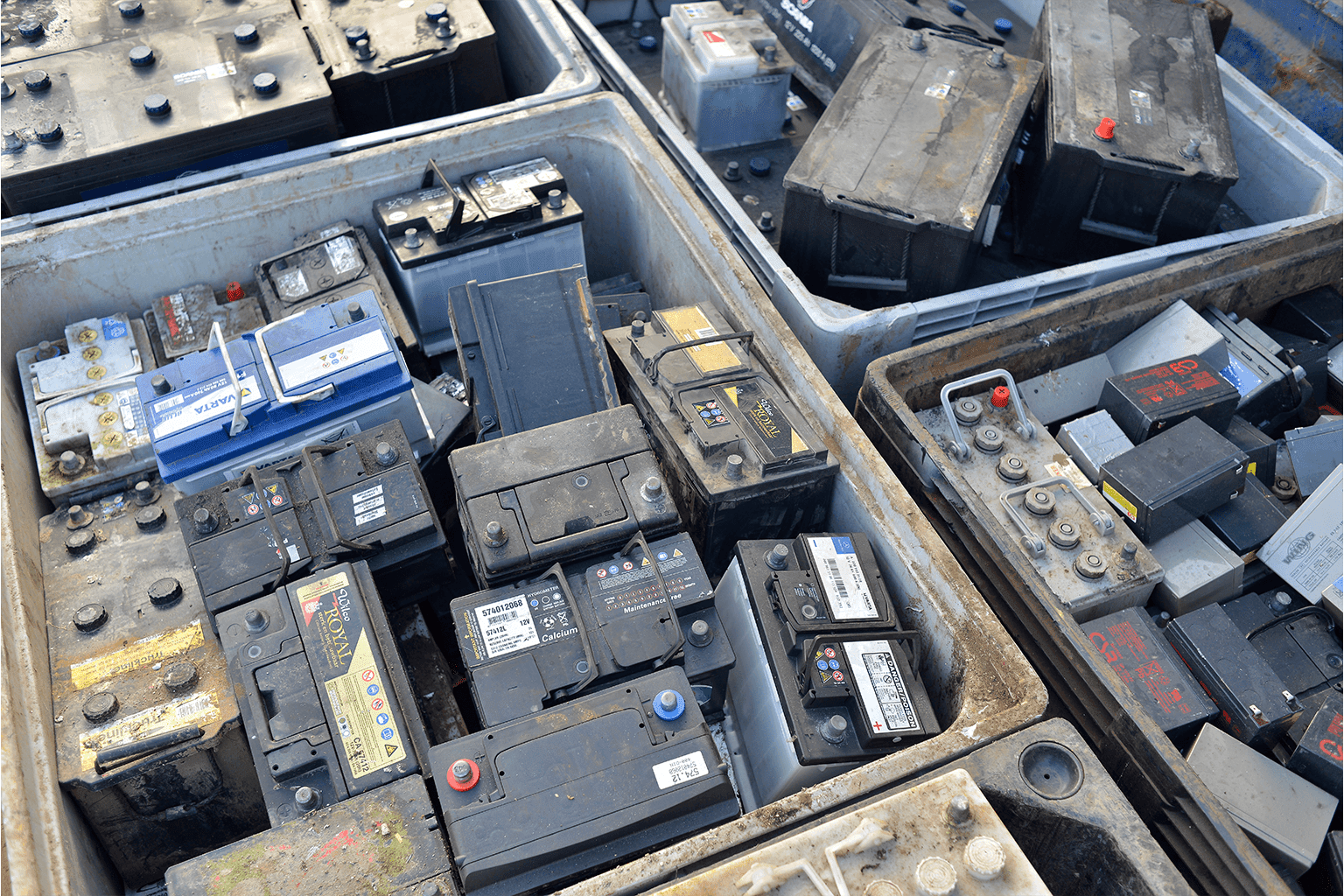
Price of an old battery
Get the best price for your old batteries
Curious about the current price for your old battery? Krommenhoek Metals is the place to go. Whether you want to turn in regular batteries or lead-acid batteries, we always offer a fair, up-to-date, and competitive price per kilogram. Thanks to our transparent process, you’ll know exactly where you stand right away. And that’s a relief.
| Product |
Staalpas price
|
Staalpas + Instant Payment Price
| Standard price |
|---|---|---|---|
|
Price of an old battery
|
€0.40 per kg
|
€0.45 per kg
|
€0.35 per kg
|
|
Lead-acid battery
|
€0.35 per kg
|
€0.35 per kg
|
€0.35 per kg
|
Return Old Batteries to Krommenhoek Metals
You can quickly and fairly turn in your old batteries at Krommenhoek Metals in Rotterdam or Wateringen. You’ll receive compensation based on the current lead price on the London Metal Exchange (LME); you’ll weigh your batteries at our drop-off station; and you’ll receive your payment immediately—either in cash or deposited into your account. No appointment needed, no paperwork hassle.
What types of batteries can you return to us?
We accept all standard lead-acid batteries. Not sure if your battery type is included? Send a photo to our WhatsApp, and we’ll get back to you quickly.
Well:
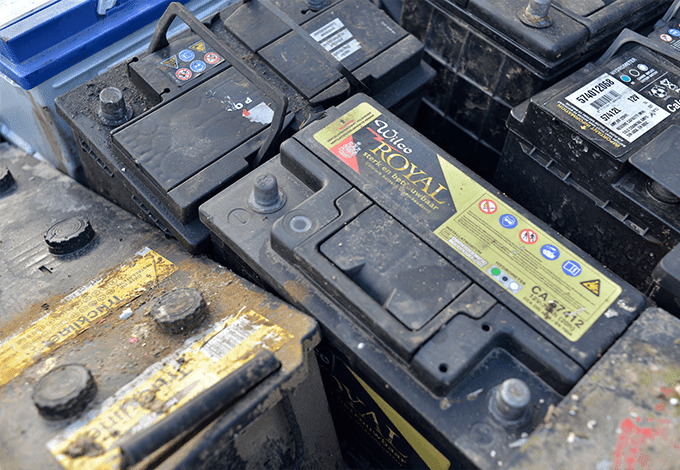
- Lead-acid batteries from cars and trucks
- Batteries from trucks
- Traction batteries from forklifts, electric pallet jacks, RVs, and boats
- UPS batteries (emergency power batteries)
Not:
- Household batteries (AA, AAA, button cells)
- Electric Car Batteries
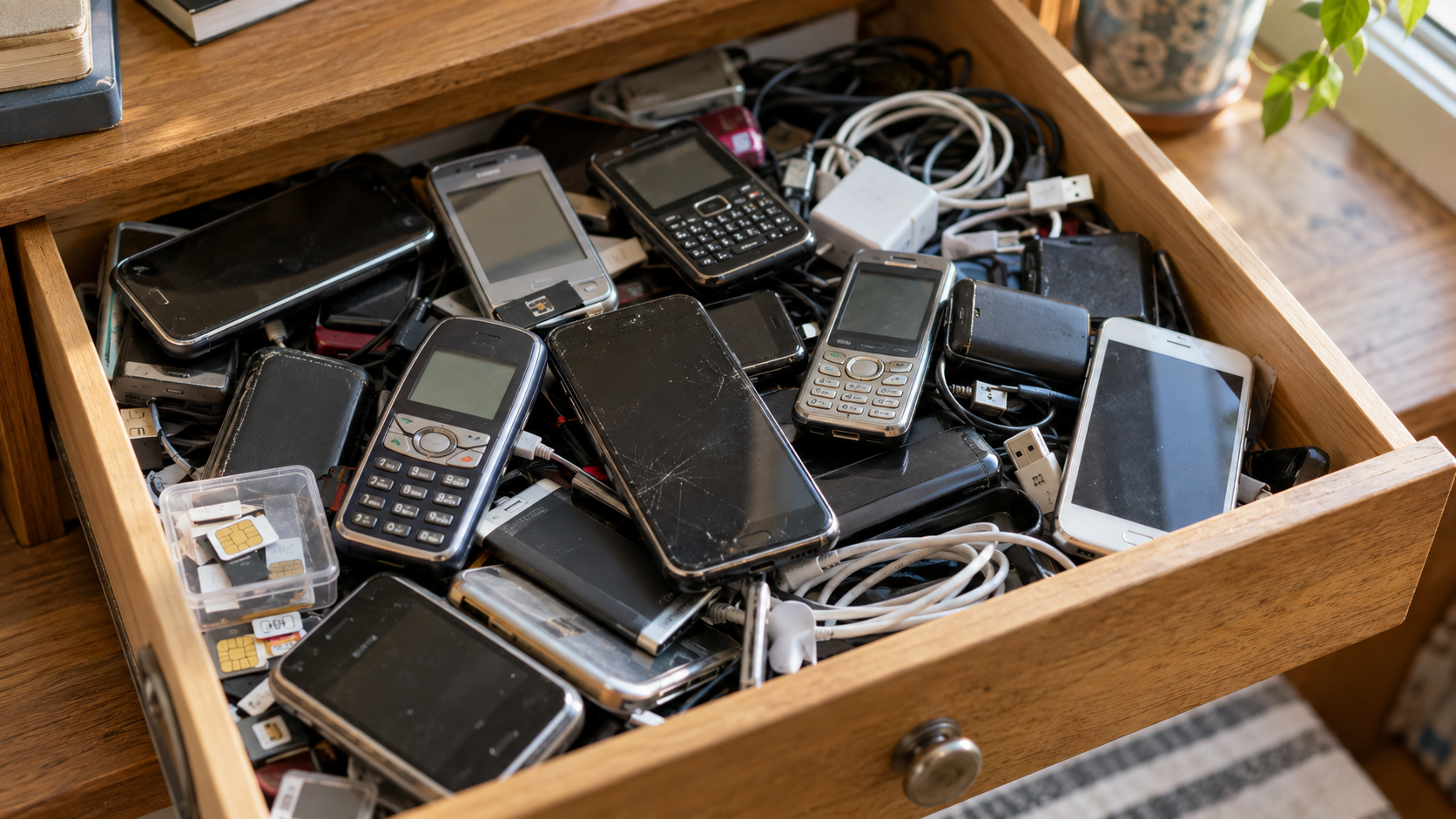
- Lithium-ion batteries from consumer electronics
- Electric Bike Batteries
- Home Batteries and Rechargeable Batteries for Energy Storage
Here’s how battery drop-off works at our drop-off station
Drive into our drop-off lane without an appointment. A staff member will immediately direct you to one of the four scales to keep your wait time short.
You can watch the weighing process and see our current battery price right there on the spot. So there’s complete transparency. Immediately afterward, we’ll handle the payment at the cash corner: in cash or by bank transfer. In the meantime, feel free to grab a cup of coffee.
Tip: Send a photo of your batteries in advance to our WhatsApp at 010-8009539. You’ll receive a quick quote so you’ll know what to expect before you stop by.
What determines the value of used batteries?
The proceeds depend mainly on the lead content of your battery. Lead is the most valuable component, and the percentage varies by battery type.
Here are the most important factors:
- Lead content: The more lead, the higher the compensation.
- LME Lead Price: The daily price of lead on the London Metal Exchange is directly reflected in our battery price.
- Battery type: A large traction battery from a forklift yields significantly more per unit than a car battery.
- Supply and Demand: Growing demand for recycled lead is driving up prices.
What happens to your old battery after you turn it in?
An average lead-acid battery consists of approximately 30% lead, 13% acid, 12% plastic, and 45% electrode paste. All of these materials are carefully separated from one another during the recycling process and reused.
The process, step by step:
- Crushing: The battery goes into our crusher. The battery acid released is collected and, after purification, reused in new batteries.
- Melting: The plastic casing is fed into the furnace along with the lead. There, the plastic replaces traditional coke (coal), resulting in significant reductions in CO2 emissions and mining.
- Refining: The extracted lead is purified and leaves the factory as a semi-finished product, ready for use in new products.
- Polypropylene: Some of the plastic is processed separately into polypropylene chips, which serve as raw material for new battery casings.
This way, almost every part of your old battery stays in the recycling loop.
Large quantities of batteries? Use our container service
Does your company regularly have large batches of used batteries? If so, our container service will take care of the transportation for you.
Here's how it works:
- We'll install a special battery container on your company's premises.
- Call or email us when it's full. We'll pick up the container within 24 hours.
- Once we've weighed the items, you'll immediately receive an invoice based on the current battery price.
- If desired, we can immediately replace it with an empty container.
This service is suitable for garages, auto body shops, fleet managers, transportation companies, and installers, among others.
Electric Car Batteries
We do not accept electric car batteries. Separate collection agreements with manufacturers and suppliers apply to these batteries because they contain valuable and rare metals such as nickel, cobalt, manganese, and lithium.
Do you have a broken or outdated EV battery? If so, take it to an authorized dealer or auto dismantler. They will use specialized channels to safely discharge, crush, and further process it into “black mass,” so that the raw materials can be reused in new batteries.
Want to return old batteries? Here's how it works
If you’d like to turn in your old batteries, you can visit our modern drop-off centers in Rotterdam or the Westland region. There, your shipment will be quickly weighed, inspected, and priced. For businesses, we even offer a nationwide container service—leak-proof, efficient, and fully certified. It’s ideal for machine shops, metalworking companies, or shipyards that need to dispose of multiple batteries. Do you have questions about logistics or processing options? Our experts are here to provide personalized advice.

Learn more about old batteries

Answers to Frequently Asked Questions About the Price of Old Batteries
Do you have another question?
No, that’s not allowed. Lead-acid batteries contain hazardous substances such as lead and sulfuric acid and are subject to the WEEE Directive on hazardous waste. You’re required to turn them in at an authorized recycling center or scrap dealer. At Krommenhoek Metals, you can dispose of them responsibly and receive compensation for them.
Lead-acid batteries, such as car batteries and emergency power batteries, almost always qualify for a refund due to their high lead content. Lithium-ion batteries have a different recycling process, and the refund amount may vary. If you’re unsure, contact us via WhatsApp—we’ll quickly let you know what your batteries are worth.
A lead-acid battery is first safely dismantled, after which the lead is melted down and purified for reuse. The sulfuric acid is neutralized or processed into sodium sulfate, and the plastic casing is ground up and reused. This is a closed-loop recycling process in which more than 95% of the battery is reused—one of the most efficient recycling processes in the world.
Make sure the battery is standing upright and cannot tip over during transport, as sulfuric acid can leak through the vent. Use a sturdy container or box for extra protection. Are the terminals damaged, or is the battery already leaking? If so, please contact us first; we’ll advise you on the safest course of action or discuss whether pickup is a better option.
Yes, in most cases, damaged lead-acid batteries can simply be returned. We do ask that you let us know in advance so we can take the appropriate precautions. Feel free to send a photo via WhatsApp, and we’ll quickly assess the situation and give you clear advice.