Scrap Removal During the Demolition of a Commercial Building: How to Handle It from Start to Finish
If you’re demolishing a commercial building, you’ll immediately be faced with large amounts of scrap metal. Properly organized scrap metal removal saves you time, money, and hassle—and can even earn you money when dealing with significant volumes.
Demolition projects often generate more scrap metal than many clients expect. Steel structures, piping, HVAC systems, electrical panels, aluminum window frames—all added together, the weight really adds up. Read below to learn how to dispose of that scrap metal efficiently.
What metals are released during the demolition of a commercial building?
In virtually every commercial demolition project, you’ll encounter a consistent mix of metal types. Iron and steel typically make up the largest portion. Examples include support structures, roof sheathing, steel doors, and fencing. But there’s more. Copper is found in electrical wiring and pipes. Aluminum is found in window frames, siding, and HVAC systems. And then there’s stainless steel, lead, zinc, and sometimes even a catalytic converter, if there was an emergency power generator on the site.
- Iron and steel: structural components, beams, fencing, doors
- Copper: cabling, piping, transformers
- Aluminum: window frames, facade panels, HVAC units
- Stainless steel: process equipment, kitchens, plumbing fixtures
- Electronics and systems: control panels, machines, cabling
- Mixed scrap: racks and other equipment
It pays to sort the different types as early as possible. That’s because sorted scrap fetches better prices than mixed material. For cables and electronics, you can turn to our electronics recycling service. Don’t have any knowledge of metals yourself? Then an experienced partner can help you with the sorting process.
How do you go about metal recycling during demolition, step by step?
A structured approach prevents delays at the demolition site and ensures that you don’t miss anything—not just literally, but certainly in financial terms as well. From container planning to payment, you’ll go through these steps.
- Step 1: Take inventory of the scrap streams before demolition. Have a specialist assess the site before demolition begins. This will help you determine the volumes and types of scrap to expect, so you can choose the right container and plan accordingly.
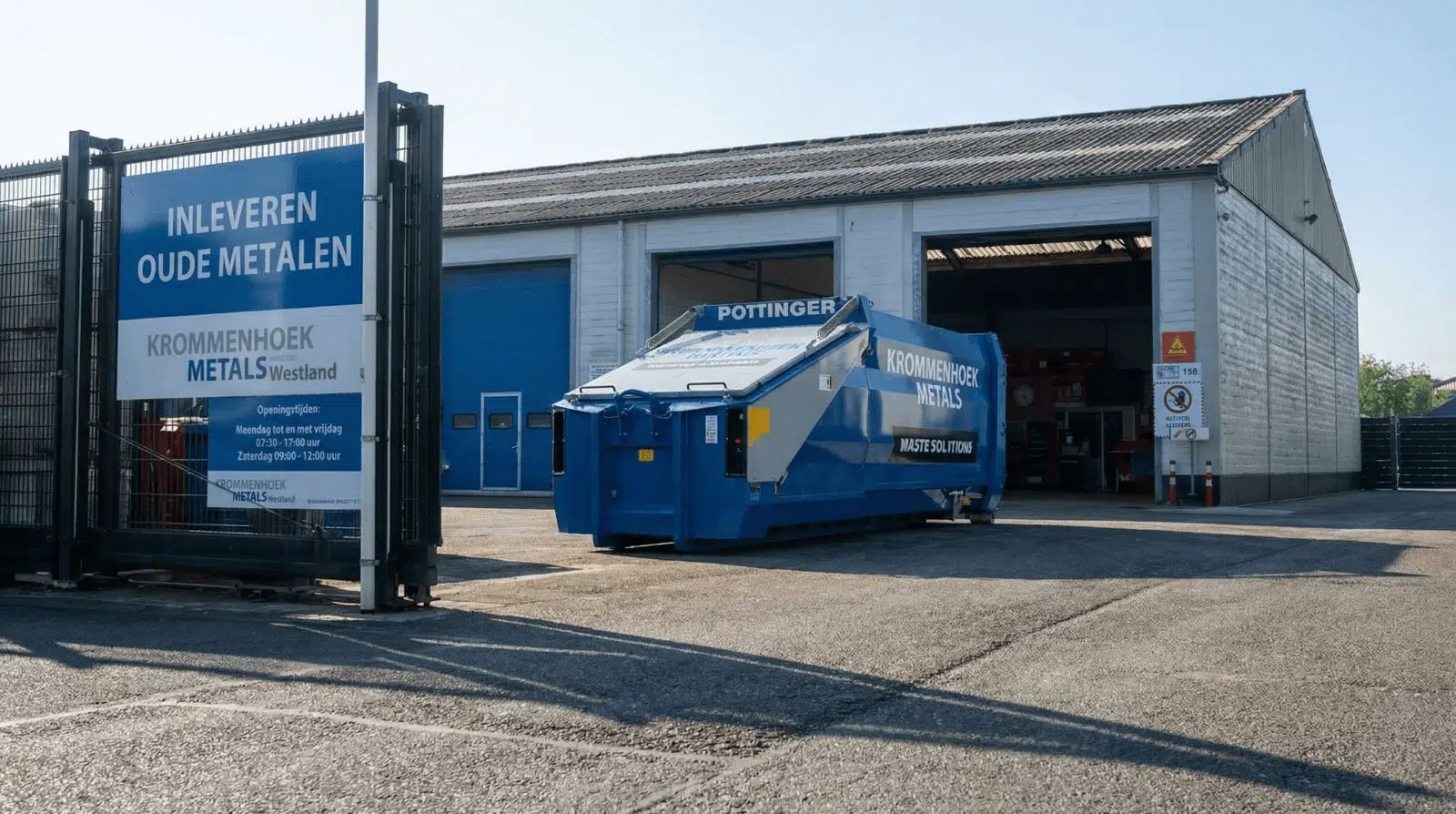
- Step 2: Plan for the right containers. Proper placement at the demolition site reduces travel distance and loading time. Krommenhoek Metals delivers containers up to 40 m³ throughout the Netherlands, often within 24 hours. For large volumes, a compactor container is useful because it can hold more per trip. Reserve in advance, as last-minute capacity on Monday mornings is hard to come by.
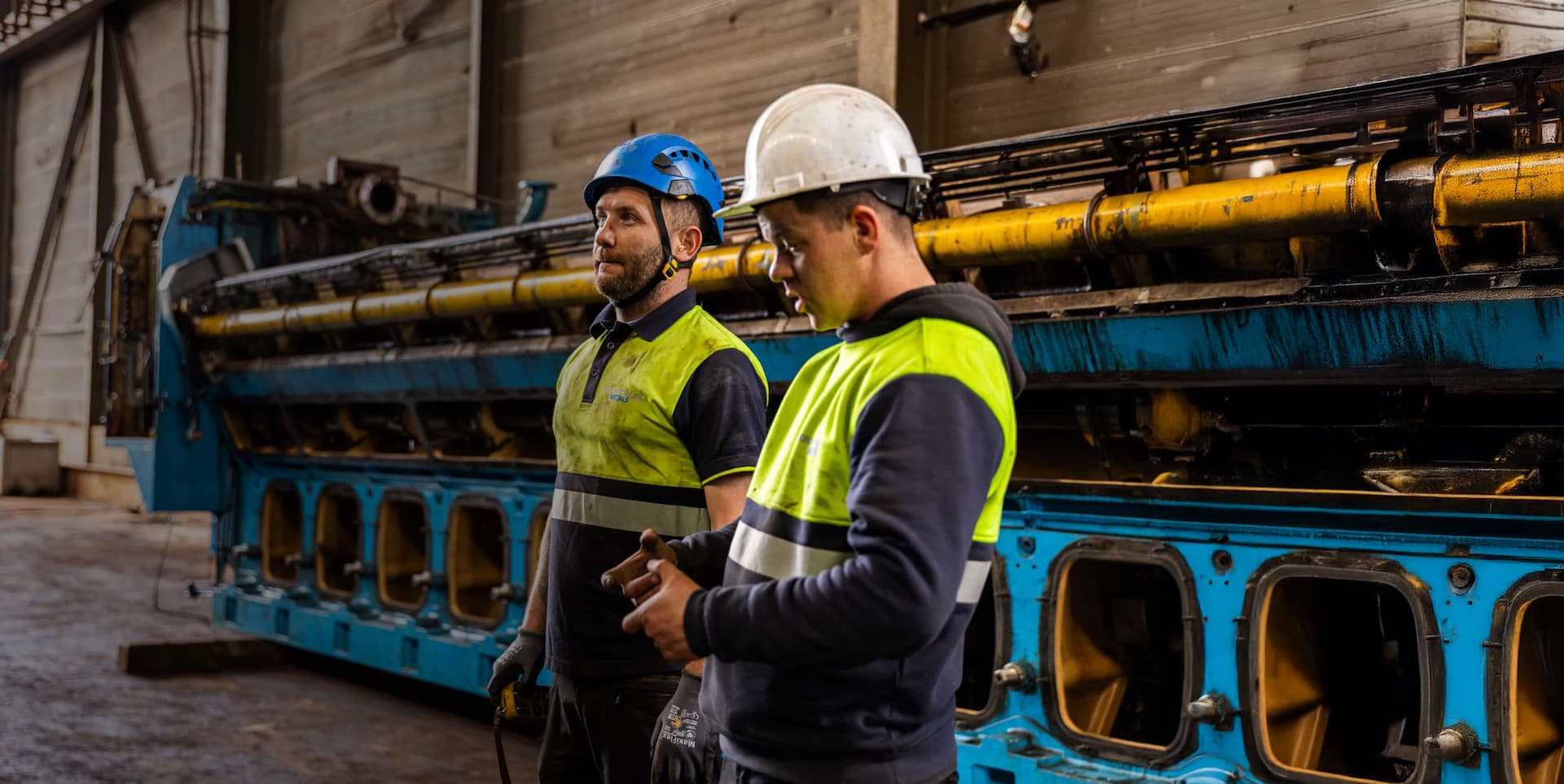
- Step 3: Dismantle systems and machinery. HVAC systems, control panels, piping, and machinery must first be taken apart before the metal can be removed. If you’d rather not do this yourself, we’ll handle the demolition and dismantling.
- Step 4: Separate the scrap metal and cables during demolition. Agree with your demolition crew on which scrap goes into which container: iron separately, copper and aluminum separately, and electrical materials separately. Pay extra attention to cables. A thick copper cable is valuable, and turning it in separately yields a higher return than putting it in the mixed bin. So keep each cable separate. Sorting on-site takes very little effort, but it makes a big difference in the proceeds later on.
- Step 5: Have them picked up and processed. Once the containers are full, we’ll take care of the rest: pickup, weighing, processing, and payment. Because we handle collection and processing in-house, we pay a fair price without middlemen taking a cut.
- Step 6: Weighing and Payment. At the weighbridge, each batch is weighed and priced based on current scrap metal rates. You’ll be paid immediately: in cash, by bank transfer, or via Tikkie. With a Staalpas, you’ll receive a higher price, and with Staalpas+, your money is deposited directly into your account. If you’re a business making a delivery, invoicing is often handled through the VAT reverse charge mechanism.
What are the rules for disposing of scrap metal during commercial demolition?
The disposal of scrap metal from commercial demolition projects is subject to Dutch waste legislation. As a client or demolition contractor, you are responsible for the proper disposal of all materials generated. This certainly applies to hazardous substances, such as transformer oil in copper transformers or asbestos-containing insulation around pipes. The latter must be sent to a specialized processor and should not be included in the scrap metal stream.
If you work in the scrap metal industry with a certified metal dealer, you’re protecting yourself. Krommenhoek Metals holds ISO 9001, ISO 14001, WEEELABEX, and the End of Waste certification. These certifications aren’t just numbers on paper: they mean you can demonstrate that your scrap metal stream has been processed responsibly. For business customers who need to report on their sustainability performance, this provides immediate added value. Afterward, you’ll also receive the documentation you need for your records.
What are the concrete benefits of scrap removal during commercial demolition?
Scrap metal has value. That sounds logical, but in practice, demolition companies and clients often miss out on money due to poor sorting or by working with suppliers who are unclear about their prices. At Krommenhoek Metals, current scrap metal prices are posted online, so you know exactly where you stand in advance.
The sooner you include scrap removal in your project planning, the smoother the process will be. If you plan it in advance, the container will be delivered on time, the demolition will proceed without delays, and you’ll receive a fair price based on current market value.
With over a century of experience, we at Krommenhoek Metals know exactly what’s involved in demolishing a commercial building. Whether it’s a small warehouse or a large industrial complex, we work with you to find solutions, take care of everything that needs to be done, and are upfront about what you can expect. Feel free to contact us, and together we’ll figure out what works best for your project.
Frequently Asked Questions About Metal Disposal During Demolition
How quickly can I get a container for metal waste from a demolition project?
Krommenhoek Metals delivers containers throughout virtually the entire Netherlands, often within 24 hours. Please contact our scheduling department, and we’ll make sure the container arrives at the site on time.
Do I have to sort the scrap myself at the demolition site?
Recycling pays off, but it doesn't have to be perfect. The better you sort, the higher the yield per category. If you want to get more out of it, have one of our specialists take a look at your site beforehand.
How and when will I be paid for the scrap metal?
After weighing, you pay immediately at the current scrap prices. You can pay in cash, by bank transfer, or via Tikkie, and with Staalpas+, your money is deposited into your account right away. For business deliveries, the reverse charge mechanism often applies.
Is metal removal free during demolition?
If your load exceeds 1,000 kg, you’re eligible for our free pickup service—and with demolition debris, you’ll easily exceed that threshold. Depending on the material and quantity, you’ll actually earn money instead of spending it. Current scrap prices are available online.
How can I tell if a metalworker is reliable?
Check whether a company is certified, for example, under ISO 14001 and the End-of-Waste Certificate. These certifications demonstrate that scrap is processed responsibly and that, as a client, you can show how your waste stream was handled.
Can Krommenhoek Metals also dismantle machinery and equipment?
Yes. In addition to scrap removal, we also offer demolition and dismantling services. For larger or more complex projects, we’d be happy to schedule a site visit to discuss the options.
Need help?
Do you have any questions, or would you like immediate assistance? Our team is ready to provide you with personalized advice and the right solution.