What type of copper do you actually have? From Millberry to Wicu piping
What type of copper do you actually have? From Millberry to Wicu piping
Not all copper is the same, and that has a direct impact on what you get for it. Clean, uncoated copper fetches the highest price. Mixed or coated copper fetches significantly less. The difference can amount to tens of percent per kilogram, and for self-employed plumbers, installers, and renovation companies in particular, that can quickly add up to a few tens of euros per old installation.
Do you know what kind of copper you have? If so, you’ll also know what to expect. Below, we explain the main types of copper, how to identify them, and how they affect the price you’ll receive at Krommenhoek Metals.
How can you tell the different types of copper apart?
Copper is always reddish in color, but the color alone says little about its quality. What does matter is whether the copper is pure or whether it’s covered with a coating, insulation, or impurities. The purer the copper, the higher the yield. An installer who delivers their scrap copper in separate batches stands to gain more than someone who mixes everything together.
Color
Pure copper ranges in color from bright red to pinkish-brown. A green or black patina indicates oxidation, but this hardly affects the price if the copper is otherwise clean.
Coating or insulation
Is it covered in plastic or rubber? If so, it won't be recognized as pure copper.
Alloys
At first glance, bronze and brass also look copper-like, but they are alloys of copper with tin and zinc, respectively. We purchase these separately at our own price per kilogram.
What is Millberry copper, and why does it fetch the best price?
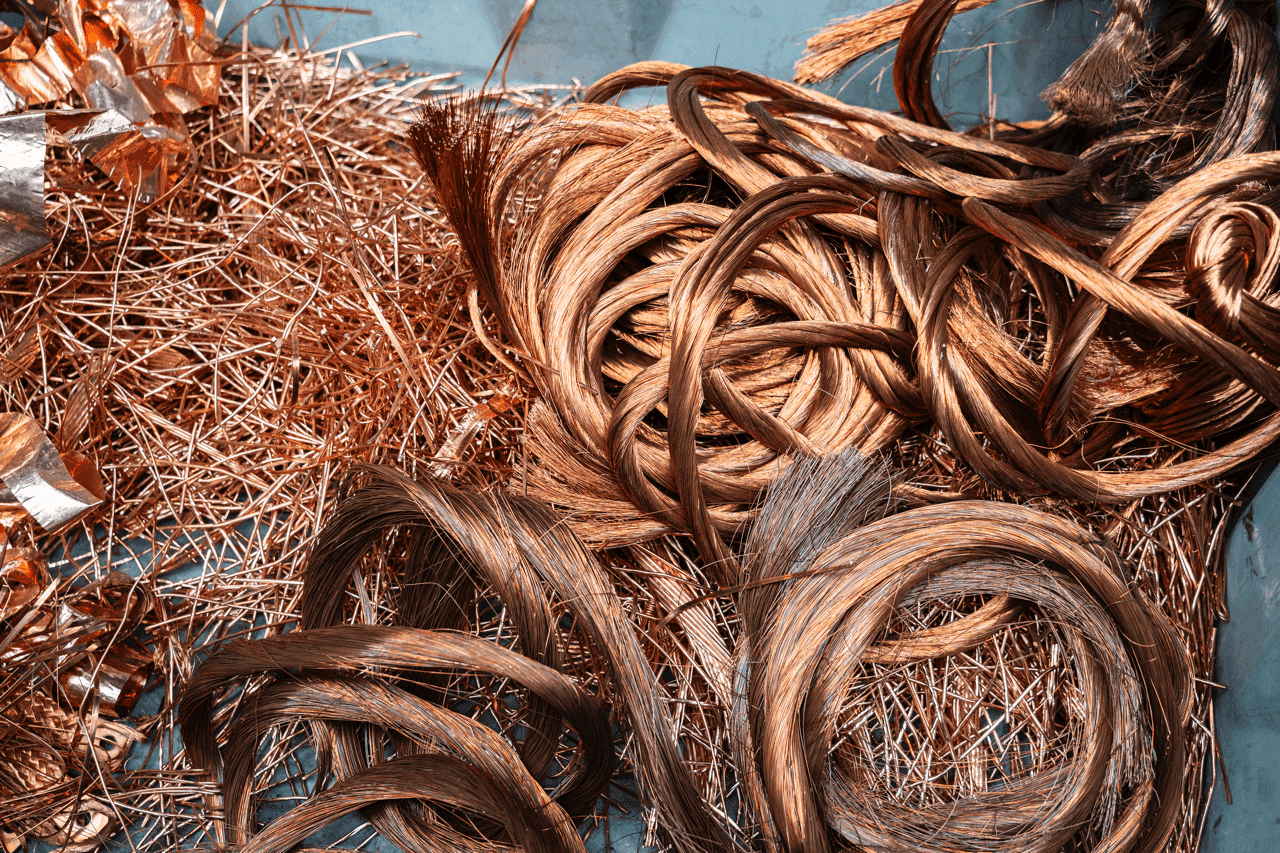
Millberry copper is the highest-quality grade in the international copper trade. It consists of clean, uncoated copper free of contaminants, such as new copper wires or fresh production scrap. The term originates from the international ISRI classification for scrap and is used worldwide by copper traders and smelters. Because it requires virtually no further processing, this copper can be used immediately as a raw material for new copper products.
In practical terms: this includes clean copper wires without insulation, scraps from cable production, or bare copper shavings. At Krommenhoek Metals, this type of material falls under the price category for hand-stripped copper, which is the highest price we pay for copper. Our daily prices are based on the London Metal Exchange quote and are adjusted daily to reflect market conditions.
What is hand-peeled copper?
Hand-stripped copper is one tier below Millberry, but it tops the KH Metals price list: it is the premium copper grade that we list separately. This refers to insulated copper wire from which the outer plastic layer has been removed by hand. The copper itself is clean and pure, but it is more labor-intensive to produce. For installers and electricians disposing of old wiring, it’s worth the effort to strip off the insulation first. A few hours of work can make a difference of hundreds of euros.
What is Wicu pipe, and how does it relate to copper sorting?
Wicu pipe is a copper pipe with a plastic coating—originally a brand name—often used in central heating systems and plumbing. Self-employed plumbers who tear out old central heating systems or bathrooms frequently encounter Wicu. The copper inner tube is surrounded by a layer of polyethylene. Because that coating is not easy to remove, Wicu pipe falls into a lower grade of copper. The copper is still there, but it requires additional processing before it can be remelted.
Do you have a large quantity of Wicu pipe? Please let us know when you drop it off, or send a photo in advance via our WhatsApp service at +31 6 13 662 187. Our staff will assess the composition and offer you a fair price based on the actual copper content.
What other types of copper are there?
In addition to Millberry, hand-peeled copper, and Wicu tubing, there are other types of copper that you can offer as a private individual or business:
| Sort Type | Description | Relative yield |
| Millberry / hand-peeled copper | Clean, uncoated copper wire or scraps free of contaminants | Highest price |
| Red copper / copper tubing | Solid copper tubes, sheets, or bars, clean and unprocessed | High |
| Mixed copper | Mixture of species, possibly slightly contaminated | On average |
| Wicu leadership | Plastic-coated copper pipe | Bearing with Coating |
| Insulated copper cable | Cable with plastic insulation still wrapped around it | Lowest for copper |
| Brass and bronze | Copper alloys with zinc or tin | Cost of Goods Purchased |
Red copper is a category that deserves special mention. These are solid copper components such as tubes, sheets, or bars without any coating or alloy. Plumbing pipes, copper gutters, or sheet metal scraps from construction often fall into this category. At Krommenhoek Metals, this type is classified under copper tubing or copper facade components. The color is a deep reddish-brown, and the material feels heavier than thin wire.
Is it worth sorting copper before you turn it in?
Yes, sorting copper often pays off more than you might think. By offering different types of copper separately, you prevent clean Millberry copper from being lumped together with insulated cable and sold at a lower average price. The better you sort it, the closer you’ll be to the maximum return.
Not sure how to sort your copper? At Krommenhoek Metals, expert advice is always available. We’ll take a look and give you immediate clarity on the category and price. No hassle, no surprises later. Prefer certainty upfront? Send a photo via WhatsApp, and you’ll quickly receive a price estimate.
Want to know what your scrap is worth today? Check out our current scrap prices online. Our daily prices follow the LME quote, so you’ll receive the market rate on the day of drop-off. Customers with our Steel Pass or Steel Pass + Instant Payment also receive an extra bonus per kilogram.
What should you do if you want to dispose of a large batch of copper?
Does your company have large volumes of copper scrap? If so, pickup at the source is often the smartest choice. We’ll deliver a scrap container (20, 30, or 40 m³) within 24 hours, pick it up when it’s full, and process everything in-house. If you have 1,000 kg or more of scrap, you may be eligible for our free pickup service.
Because we work directly with international copper mills and smelters, the margin that would otherwise be lost to middlemen largely stays with you. Personalized, tailored service, from request to settlement. Our container service operates throughout the Netherlands and, upon request, also in Belgium, Germany, and France.
Krommenhoek Metals has been active in the metal trading and recycling industry since 1925. A family-owned business with Royal Warrant status, a customer rating of 4.75 out of 5, and two locations: Keenstraat 28 in Rotterdam (for vehicles up to 4 metric tons) and Maasdijkseweg 138 in Wateringen. We hold certifications including ISO 9001, ISO 14001, WEEELABEX, and the End of Waste certificate, and we are a BIR Gold Member. Furthermore, every kilogram of recycled copper results in approximately an 85% energy savings compared to copper derived from ore. A fair price for you and a valuable contribution to a cleaner supply chain.
Frequently Asked Questions About Types of Copper
What is the difference between Millberry Copper and a regular scrap metal dealer?
Millberry copper is the highest grade: clean, uncoated, and free of contaminants. Regular scrap copper is a general term for copper that still contains insulation, coatings, or other materials. Millberry commands the highest price because it can be remelted immediately without any additional processing steps. At Krommenhoek Metals, this category falls under “hand-peeled copper,” the top line in our price list.
How do I know if my copper pipe is considered red copper or Wicu pipe?
Check to see if it has a plastic coating. A bare copper tube without a coating is classified as red copper or copper tubing. If it’s coated with polyethylene or another type of plastic, it’s considered Wicu piping and the price is lower. Not sure? Send a photo via WhatsApp to +31 6 13 662 187, and we’ll take a look.
Do I need to remove the insulation from the copper cable before returning it?
You don't have to, but it's worth it. Hand-stripped copper fetches a higher price than insulated cable. Whether it's worth the effort depends on the quantity and the time you put into it. If you're unsure, ask our staff—we'll help you make the best choice.
Can I also turn in small amounts of copper?
Yes. Individuals can visit our locations in Rotterdam and Wateringen without an appointment. We’ll weigh your copper together with you and pay you immediately based on the current scrap price, either in cash or by bank transfer.
Are bronze and brass also purchased as copper?
No, we purchase those separately. Bronze and brass are alloys of copper with tin and zinc, respectively. They have their own purchase price, which is generally lower than that of pure copper. Do you have a mix? Please let us know when you drop it off, and we’ll make sure it’s sorted correctly.
Need help?
Do you have any questions, or would you like immediate assistance? Our team is ready to provide you with personalized advice and the right solution.