Why are wind turbine blades so difficult to recycle?
Wind turbine blades are designed to last. They must withstand decades of wind, rain, and heavy loads. That is precisely what makes them so difficult to dispose of at the end of their useful life. So, can wind turbine blades be recycled? Yes. But not every method yields the same high-quality results, and large-scale recycling that is also cost-effective is still in its infancy.
At Krommenhoek Metals, we see just how big that challenge is in our work with wind turbines. That’s why we handle the entire wind turbine recycling process for our clients, from dismantling to processing. We don’t process the composite materials ourselves, but we know exactly where they need to go.
What's actually inside a wind turbine blade?
A blade consists largely of composite material: fiberglass, and sometimes carbon fiber, embedded in cured resin such as epoxy or polyester. Lightweight, strong, and weather-resistant, it is ideal for a blade that needs to last for decades. Balsa wood and foam cores serve as filler and have virtually no recycling value. Metal parts such as bolts, flange connections, and sensors, however, are highly recyclable.
According to TNO and WindEurope, 85 to 90 percent of a wind turbine’s total mass can be recycled using existing technologies. Note: this refers to the entire turbine. The blades, in fact, are the main challenge.
Three Reasons Why Recycling Is So Complex
The material. Fiberglass and resin are chemically bonded together. Composite does not burn cleanly, does not melt, and does not dissolve.
The size. A modern wind turbine blade is 60 to 80 meters long and weighs dozens of metric tons. Transporting it alone is a logistical puzzle.
The economy. Just because a technology works doesn’t mean it’s profitable. TNO states that a commercially viable facility would require a throughput of approximately 40,000 to 50,000 metric tons of composite per year.
Different options for a discarded wick
The most common method is mechanical grinding, in which the blade is shredded. This method is already used commercially, but the output is of low quality. Pyrolysis takes it a step further: by heating the material in the absence of oxygen, the resin breaks down and the fibers remain. However, this is expensive, and capacity is limited. Solvolysis chemically dissolves the resin, but this technique is still largely under development.
In addition, many blades are sent to cement kilns, where the composite serves as a filler and fuel. That is an existing process, but the fibers are not recovered in the process. And sometimes parts of the blades are given a second life as bridges, benches, or playground equipment. That’s great, but the capacity for that direct reuse is limited.
Recycle, downcycle, or incinerate? That’s a big difference
Not every process is equally circular. Recovering glass fibers to create new, high-quality composites is different from using scraps as filler. The latter is downcycling. If the resin is used solely as fuel, that’s energy recovery, not recycling. Do you hear that wind turbine blades are being processed in a “fully circular” way? If so, ask exactly what process is being followed.
What happens to old wind turbine blades these days?
Over the next ten years, an estimated tens of thousands of turbine blades will be replaced worldwide. This is because the first generation of turbines is reaching the end of its technical lifespan. WindEurope expects that, by 2030, approximately 55,000 metric tons of discarded blade material will be generated annually in Europe.
A large portion of it does not yet have a high-quality final destination. In the Netherlands, the landfilling of composite materials has been restricted. Since January 1, 2026, the European wind energy sector has been adhering to a voluntary agreement to stop landfilling. This is not a legally binding EU ban. As a result, many blades are still being cut into pieces and sent to cement kilns.
The Netherlands is taking steps
In January 2026, Windesheim announced that a method for recycling composites on an industrial scale is being used. CRC breaks the material down into flakes, which are then combined with new resin. Compone uses this material to manufacture products such as sheet piles and bridge deck planks.
In July 2026, TNO reported that the CIRCLE4WIN project had produced about 60 kilograms of recovered glass fibers from wind turbine blades. A demonstration facility with a capacity of approximately 10,000 metric tons per year is currently being designed. That is a target, not yet an operational capacity.
What does this mean for companies that use wind turbines?
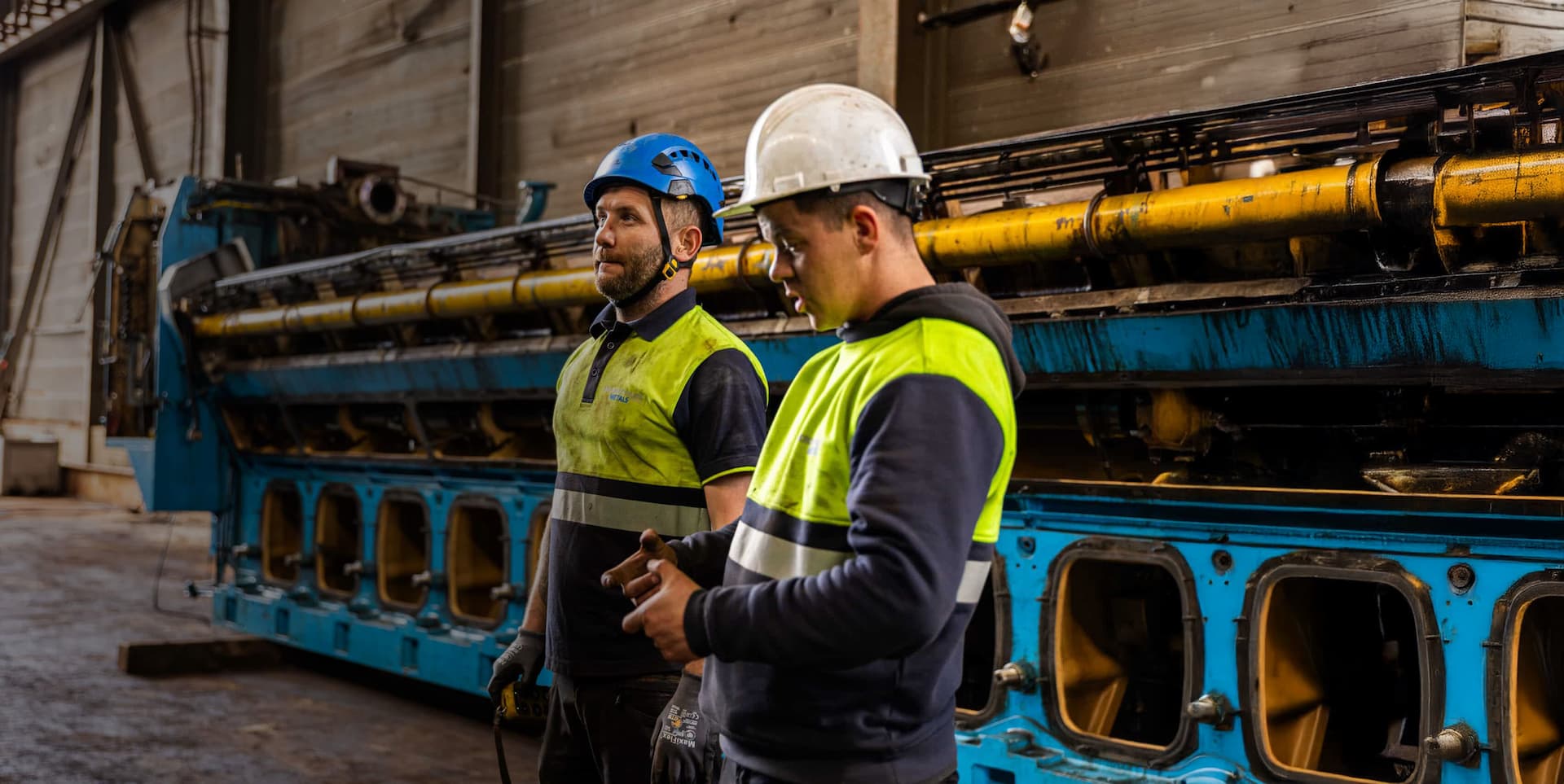
When demolishing, dismantling, or maintaining wind turbines, you’re dealing with two types of materials: metal and composite. With us, you don’t have to separate them yourself. From our dismantling dock in Rotterdam, we handle the dismantling, logistics, and processing. We process nacelles, cables, steel structures, and copper windings ourselves. We’ve been experts in this field for over 100 years. The blades are sent to specialized partners.
We’ll buy your old turbine at scrap value, with transparent pricing. That way, dismantling can sometimes even earn you money. And thanks to ISO 9001 and ISO 14001, you can demonstrate that your waste streams have been properly processed.
The Future: Blades You Can Actually Recycle
Purely recycled glass fiber is a valuable raw material; carbon fiber is even more so. Manufacturers are also tackling the problem at the source. Siemens Gamesa developed the RecyclableBlade, which is designed so that its materials can be more easily separated later on. It was first used commercially in 2022 at the Kaskasi offshore wind farm in Germany. The technology is almost here. Now infrastructure and regulations need to catch up.
Frequently Asked Questions About Wind Turbine Blades
Are wind turbine blades considered hazardous waste?
Not as a general rule. Whether there are risks depends on the composition and the method of processing. One example is dust released during sawing and chipping.
Can Krommenhoek Metals help with the recycling of wind turbines?
Yes. We accept steel, copper, aluminum, and other metal parts, including those from large demolition and dismantling projects. The composite materials are sent to specialized processors with whom we collaborate.
Need help?
Do you have any questions, or would you like immediate assistance? Our team is ready to provide you with personalized advice and the right solution.