Column: Urban Mining—You Can Do It Yourself
Urban Mining: Here's How You Can Get Involved:
Westward shift:
“There’s gold in our waste. Literally. Recovering it has sparked a new global industry worth billions. It’s called ‘urban mining,’ and it’s all the rage.”
This is how the editorial team at VPRO Tegenlicht begins the accompanying text serving as an introduction to the documentary “Dirty Gold.” In this (highly recommended, by the way) documentary, the filmmakers highlight a problem: for years, old electronics have been dumped in Africa. The general perception of old electronics is largely negative. The Western world, especially in the 1990s, shirked its responsibility by dumping the waste rather than recycling it. This has left Africa with a major problem. Fortunately, there are some wonderful initiatives, which you can learn about by watching the documentary.
Improved techniques:
Since the 1990s, waste separation has become a hot topic. By sorting materials at the source, more and more materials can be recycled. Processing techniques are becoming increasingly advanced and are being embraced by a broad audience. Think of items such as waste paper, plastic, batteries, glass, and much more. It is widely known and accepted that we collect these items separately and send them to specialized facilities. As sorting becomes more cost-effective and materials become easier to reuse, the value of waste increases.
Gold Mining vs. Urban Mining:
Gold mining has always been shrouded in a certain mystique. You’ve probably watched movies about hardworking cowboys and adventurers mining gold along the banks of the Yukon. This river sparked a veritable “gold rush” in the19thcentury. All of this is described in Jules Verne’s bestseller, *Le Vulcan d’Or*. Today, you can watch a multi-part series on the National Geographic Channel called *Yukon Gold*. In it, you’ll see a group of miners doing the same work as their illustrious19th-centurypredecessors. You’ll see improved techniques, but also the usual problems and difficulties the miners encounter in their quest for gold. Ironically, a metric ton of electronic waste contains 60 times more gold than a metric ton of average gold ore. The gold is in our waste! We extract gold from urban waste, which has replaced gold ore. Because gold is an excellent conductor (see this page about gold),this precious metal is found in all communication devices. So you can see that a cell phone contains relatively more gold than a kettle. Extremely effective separation processes have been developed. These are designed to handle very large quantities. You might be thinking, “I don’t have that much—what’s in it for me?” I’ll explain that to you.
How do I participate?
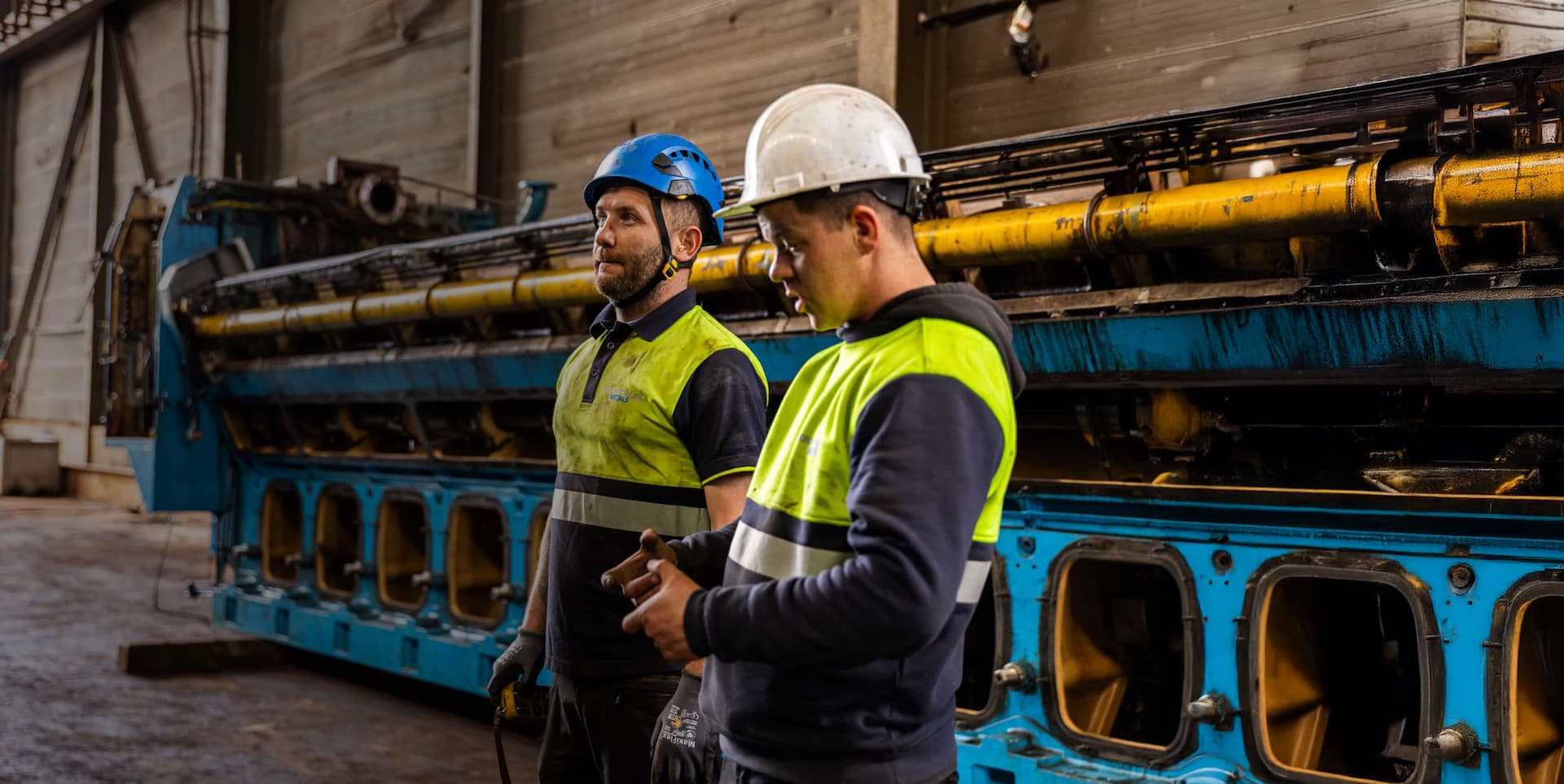
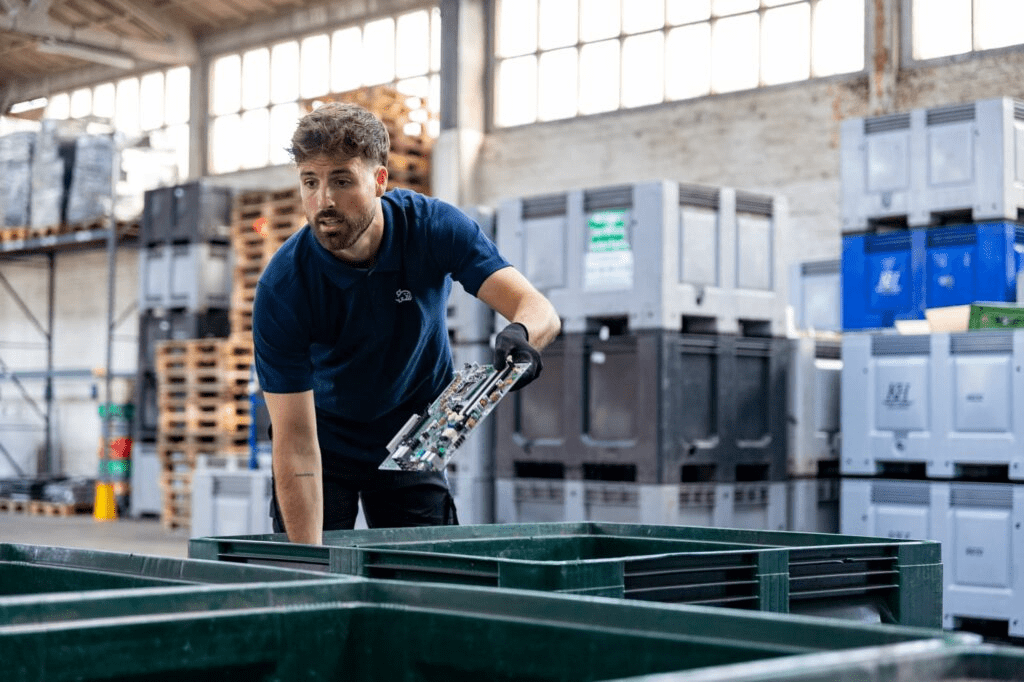
The good news is, you can get involved in Urban Mining! The best way to think of recycling is as a pyramid. As you know, a pyramid has stepped sides, a broad base, and a narrow top. You, as an individual, form the broad base. Every household and business has electronic waste. Think of computers, cell phones, laptops, tablets, servers, printers, and much more. What do you do with them? Do you throw them in the trash? That’s a shame—you’re essentially throwing money away. These days, there are many companies that buy these materials from you. These companies sort them and ensure they are delivered in large quantities to processors. These processors form the middle tier of the pyramid. These companies play a major local role. Krommenhoek Metals is one of them. These companies invest a great deal of time in researching the value of these waste streams. Because the global price of gold, for example, fluctuates quite a bit, this is a process that deserves attention. Ultimately, the materials are delivered to processors. These companies form the narrow tip of the pyramid. This is how you can turn the gold in your household waste into cash. Through proper sorting and a healthy dose of intrinsic motivation, you’re contributing to cleaner waste streams and a fatter wallet. Everything depends on your own commitment. You already have this commitment when it comes to “free” waste streams. You already put your paper out on the street, and you already put glass in the recycling bin. Take a look in all your drawers, in the attic, and in the garage. Ask around in your neighborhood, at work, and at your club for old computers. Often, a metal recycling company will also deliver containers to your club or association. Krommenhoek Metals certainly does. This way, you’ll boost the club’s coffers right away.
Anyone can be a gold prospector—including you! Welcome to the world of Urban Mining.
By:Jan-Willem Dekker; trader at Krommenhoek MetalsNeed help?
Do you have any questions, or would you like immediate assistance? Our team is ready to provide you with personalized advice and the right solution.