
Findings on Copper Price Trends
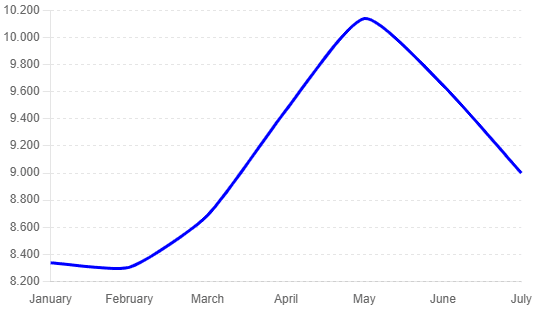
In 2024, the copper price experienced significant fluctuations. At the beginning of 2024, the copper price rose, peaking at $10,139 per metric ton in May, before falling to $9,648 per metric ton in June (YCharts) and even to $9,000 USD at the time of writing this blog. This price increase was driven by a combination of supply risks, declining inventories in LME warehouses, and hopes for a recovery in copper demand (MINING.COM).
Factors Affecting the Purchase Price
Copper is a crucial metal in the modern economy, used in everything from electric vehicles to renewable energy installations. The price of copper has fluctuated significantly in 2024, influenced by various economic and geopolitical factors.
Risk factors:
Mine Closures The closure of the Cobre Panama mine at the end of 2023 removed approximately 350,000 metric tons of copper from annual global production. This, combined with production issues at other major mines such as Anglo American’s Los Bronces mine, has impacted the price of copper (Nasdaq) (INN).- Weather Conditions
Extreme weather conditions, such as the drought in Zambia, have also delayed planned expansions in copper production (MINING.COM). - Geopolitical Tensions
The unrest in Ukraine and the Middle East is creating market uncertainty and fluctuating demand for raw materials. - Production Cutbacks in China
A major cause of the recent price increase appears to be the agreement among major buyer-smelters in China to reduce production.
Demand factors:
- Energy Transition
The growing demand for copper for applications in the energy transition, such as electric vehicles (EVs) and renewable energy sources, continues to drive up the price of copper. For example, electric vehicles contain between 38.5 and 83 kilograms of copper per vehicle, and as the EV market expands, the demand for copper will increase significantly (Nasdaq). - Economic Developments
In addition to the energy transition, infrastructure development in countries such as India is also contributing to the rising demand for copper (MINING.COM). - Investment Climate
Political stability and favorable regulations in copper-producing countries are crucial for attracting investment in new mining projects. Instability in regions such as the Democratic Republic of the Congo could further disrupt supply (Nasdaq).
Copper Price Trends Over the Last 6 Months
January 1, 2024
The copper price started the year at $8,338 per metric ton. The market remained relatively stable following the recovery period at the end of 2023. The main factor during this period was the tightening of supply due to mine closures and production cuts at major mines (YCharts) (INN).
February 2, 2024
In February, the price of copper rose slightly to $8,305 per metric ton. This increase was partly driven by higher demand for copper in energy transition sectors, such as electric vehicles and renewable energy sources (INN).
March 3, 2024
March saw a significant increase in the price of copper to $8,689 per metric ton. The main driver was the closure of the Cobre Panama mine and production cuts at other major mines, which led to a tighter supply market (INN) (ProcureChem).
April 4, 2024
In April, the price of copper continued to rise, reaching $9,464 per metric ton. This increase was driven by production constraints at Chinese smelters and growing demand for copper for industrial applications (ProcureChem).
May 5, 2024
The price peaked in May at $10,139 per metric ton, its highest level in six months. This was largely due to ongoing supply issues and strong demand from the energy sectors. Geopolitical tensions in Ukraine and the Middle East, among other regions, as well as economic uncertainties, also played a role in the price increase (YCharts) (INN).
June 6, 2024
In June, the price of copper fell to $9,648 per metric ton. This decline was caused by a slight drop in demand and improved production conditions at some mines, although supply remained tight (YCharts).
July 7, 2024
In July, the price of copper fell to $9,000 per metric ton. This decline is partly due to a worsening economic outlook for China, a major consumer of copper.
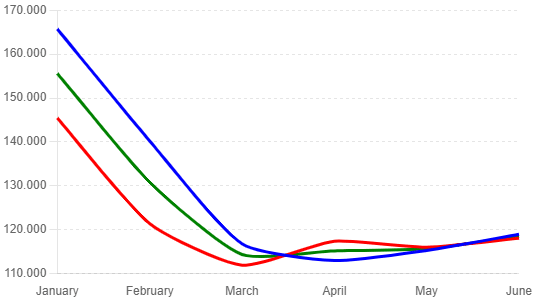
Copper inventory in LME warehouses
A downward trend in copper inventories has been observed in LME warehouses this year. A decline in inventory may indicate higher demand or reduced supply, which often leads to rising prices. When we compare the inventory trend for the first half of the year with the development of the copper price, we see that they are fairly closely aligned. It will be interesting to see whether the current price decline will also lead to an increase in copper inventories in LME warehouses. However, an increase in inventory has been observed since May/June.
Long-term factors affecting copper prices
Long-term forecasts for copper prices show an upward trend, driven primarily by growing demand from sectors involved in the energy transition. According to various sources, demand for copper is expected to rise by more than 50% by 2040, while production will increase by only about 16% (InvestorPlace) (S&P Global).
Long-term copper price forecasts are optimistic due to growing demand, driven primarily by sectors involved in the energy transition. For example, McKinsey predicts that demand for copper in power generation, electric vehicles (EVs), and electronic devices will lead to a copper shortage of 6.5 million metric tons by 2031 (Nasdaq) (InvestorPlace).
Key Influencing Factors
- Energy Transition
Electric vehicles (EVs) use between 38.5 and 83 kilograms of copper per vehicle. As more countries ban the sale of vehicles with internal combustion engines, the demand for copper for EVs will increase significantly (Nasdaq) (InvestorPlace) - Renewable Energy
Solar and wind energy systems require large amounts of copper. For example, solar systems require approximately 5.5 metric tons of copper per megawatt, and offshore wind turbines require as much as 9.56 metric tons of copper per megawatt (Nasdaq).
Supply Issues
Major mine closures, such as that of the Cobre Panama mine, and production cutbacks at other mines have led to tight supply. Analysts predict that these types of issues will push the market further into a deficit by the end of 2024 (Nasdaq) (S&P Global).
Although there are a few new projects in the pipeline, such as Quebrada Blanca Phase 2 in Chile, these are not enough to fully fill the supply gap (Nasdaq).
Geopolitical and Economic Influences
Central bank actions, such as interest rate hikes by the Federal Reserve, have a direct impact on the price of copper. For example, a weaker dollar can lead to higher copper prices (InvestorPlace). Political stability and favorable regulations in copper-producing countries are crucial for attracting investment in new mining projects. Instability in regions such as the Democratic Republic of the Congo can further disrupt supply (Nasdaq).
Key Influencing Factors
Renewable energy sources such as solar and wind power require large amounts of copper. For example, solar power systems require approximately 5.5 metric tons of copper per megawatt, while offshore wind turbines require as much as 9.56 metric tons of copper per megawatt (Nasdaq).
The metal recycling sector has a promising future ahead, driven by technological innovations, sustainable production practices, and growing demand for recycled metals. Companies operating in this sector, such as Krommenhoek Metals, have the opportunity to play a crucial role in the transition to a circular economy. By investing in advanced technologies and sustainable practices, they can not only optimize their operations but also contribute to a more environmentally friendly future.
Read our impact report to learn how we—and the scrap metal industry in general—are contributing to a more sustainable and impactful future.
Need help?
Do you have any questions, or would you like immediate assistance? Our team is ready to provide you with personalized advice and the right solution.