From the shipyard in Palermo to new raw materials, thanks to Krommenhoek Metals
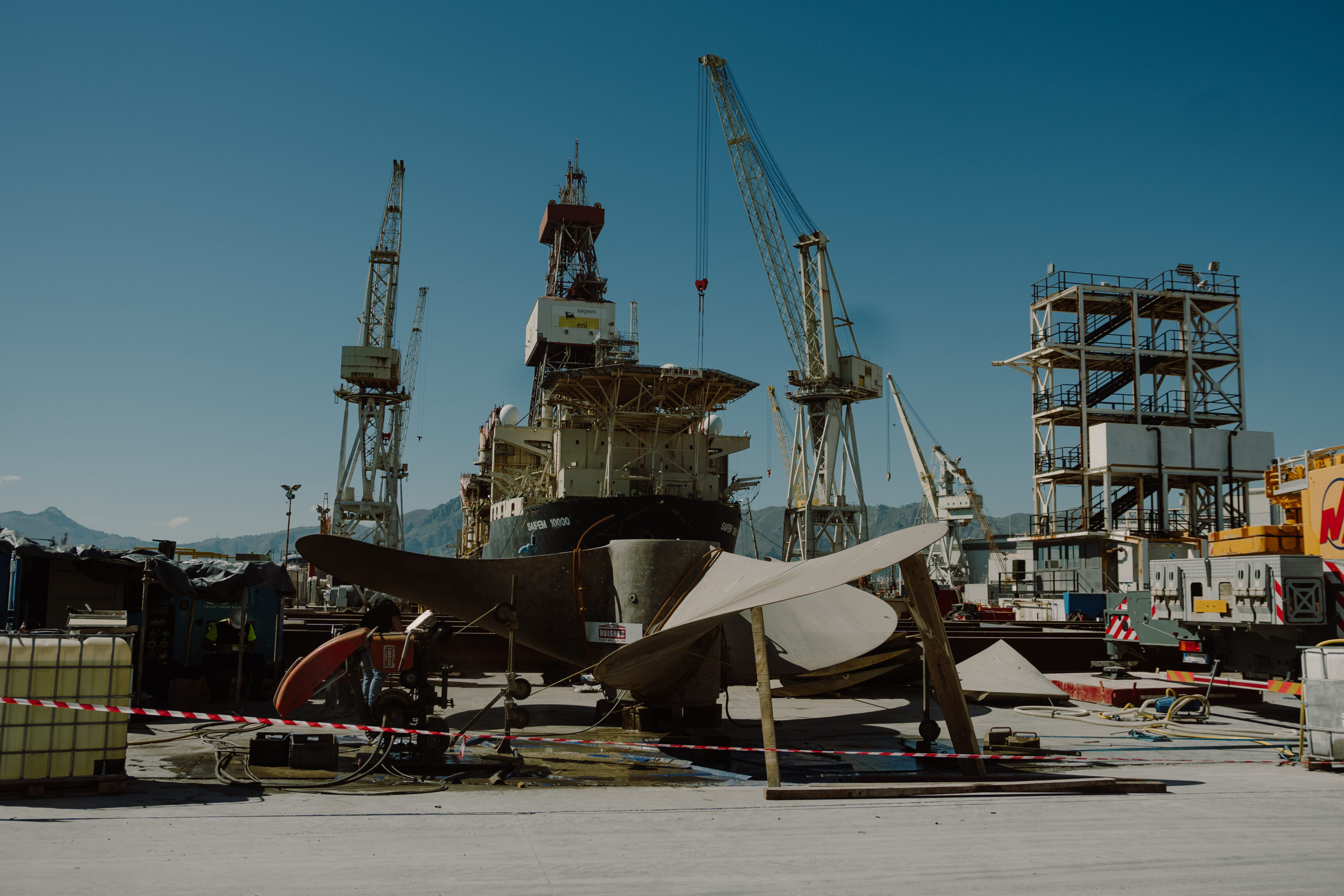
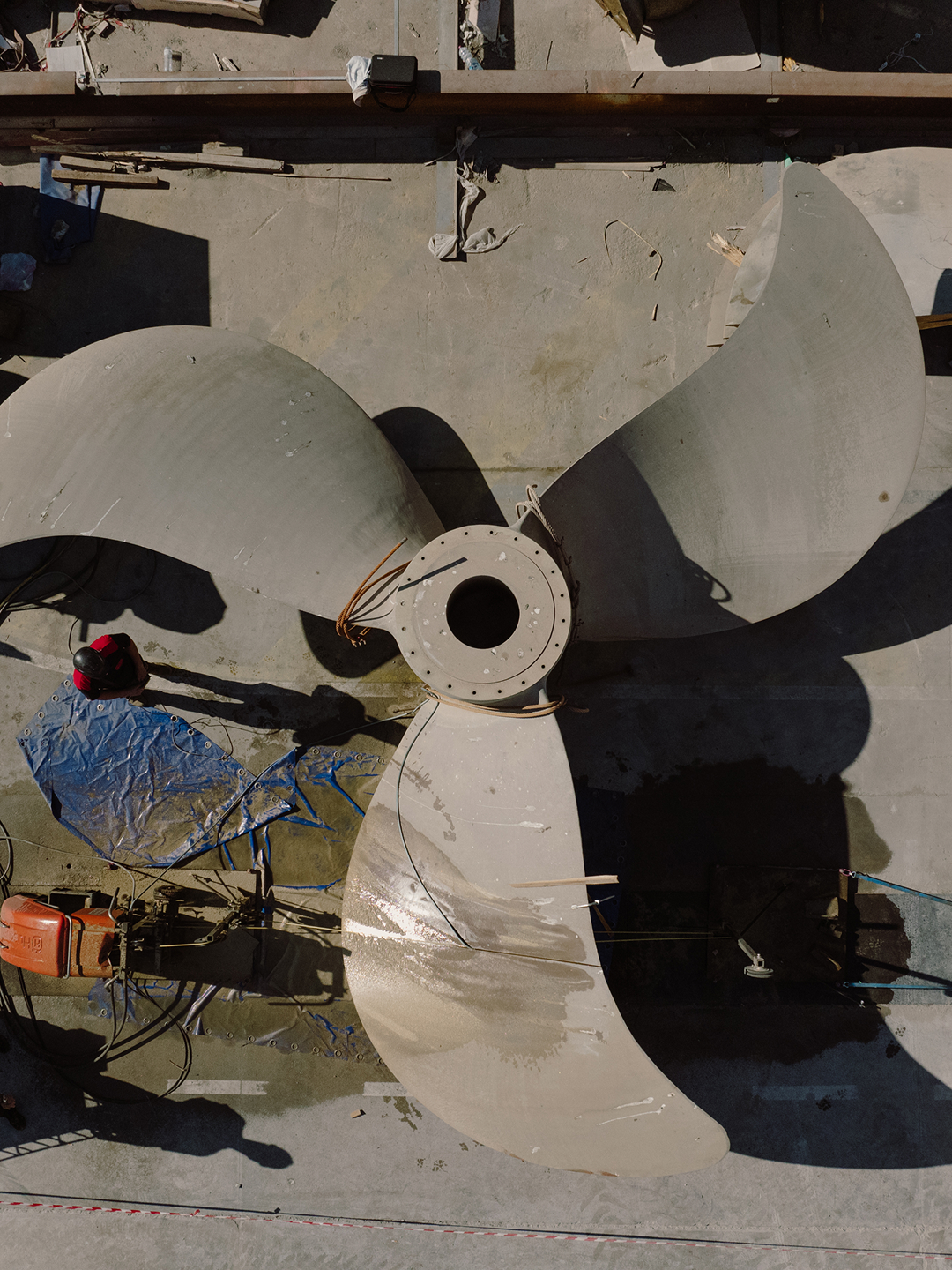
Palermo. An ancient port city in Sicily, where temperatures soar in the summer. Wonderful for vacationers. A lot more challenging when you have to cut down, haul away, and recycle two aluminum-bronze ship propellers weighing 46,000 kilos each. Together, they weigh 92 metric tons of CuNiAl, and neither one fits in a shipping container.
Working Safely at a Shipyard Under the Sicilian Sun
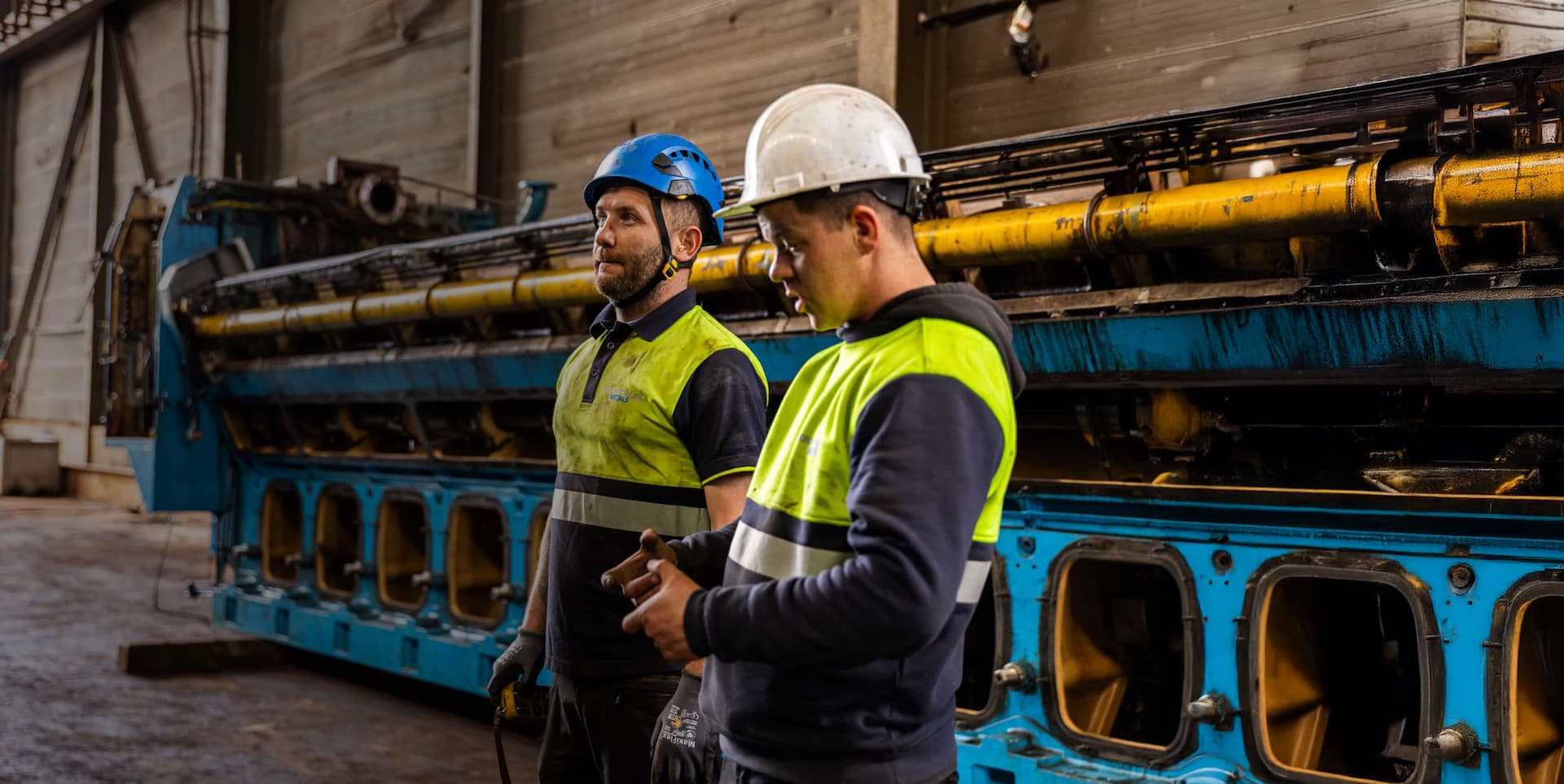
Due to the high temperatures, our employees started work early every morning. That way, the hardest work didn’t have to be done during the hottest part of the day under the blazing Sicilian sun. Because no matter how large the bolts or how unique the project may be, we never compromise on safety.
It’s no coincidence that Krommenhoek is VCA-certified for safe, healthy, and environmentally responsible work practices. This certification is specifically designed for this type of work: specialized on-site projects at the client’s location. We also ensure the quality of our business processes through our ISO 9001-certified quality management system.
46,000 kilograms per ship's propeller: how do you get rid of that?
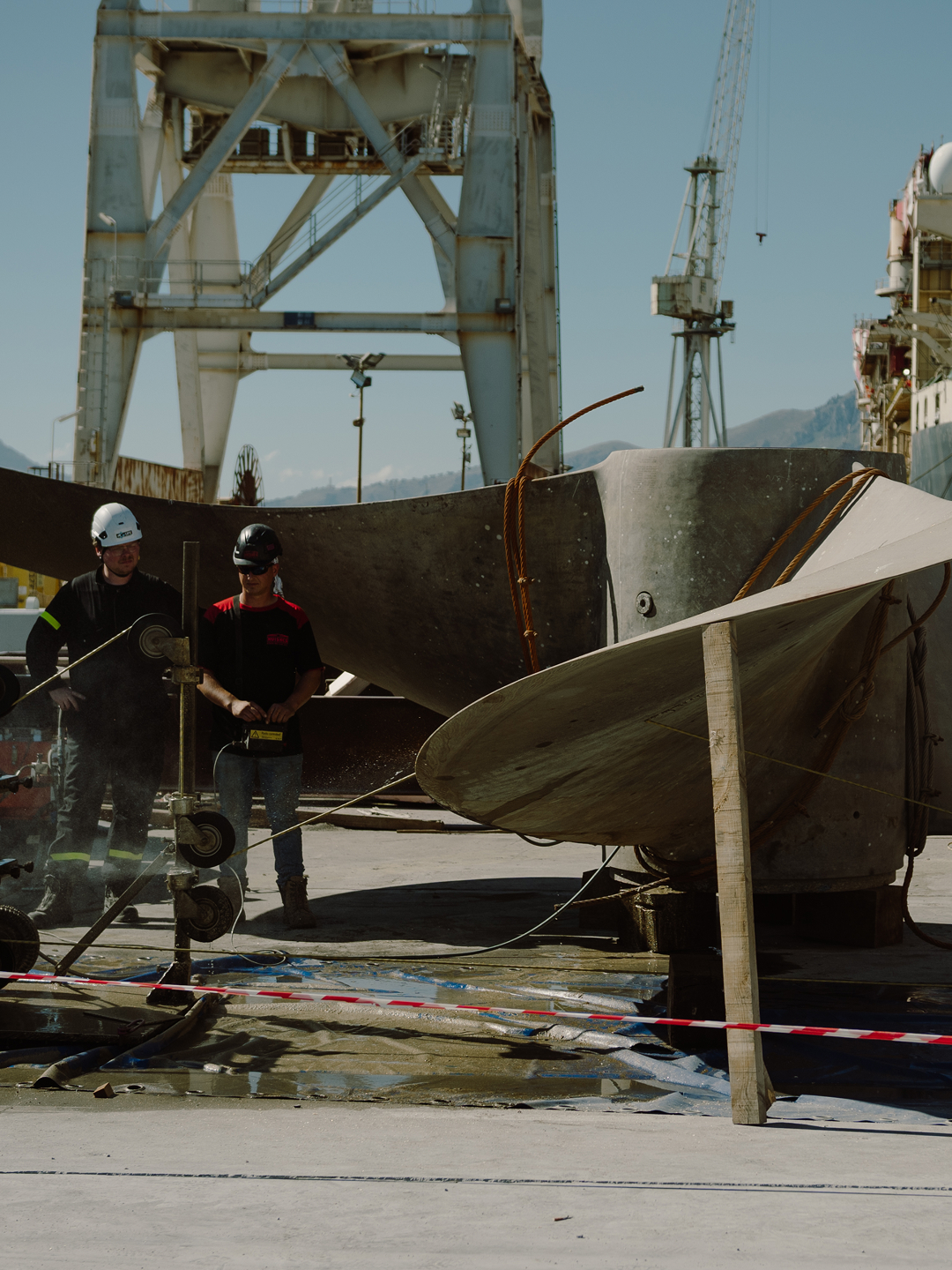
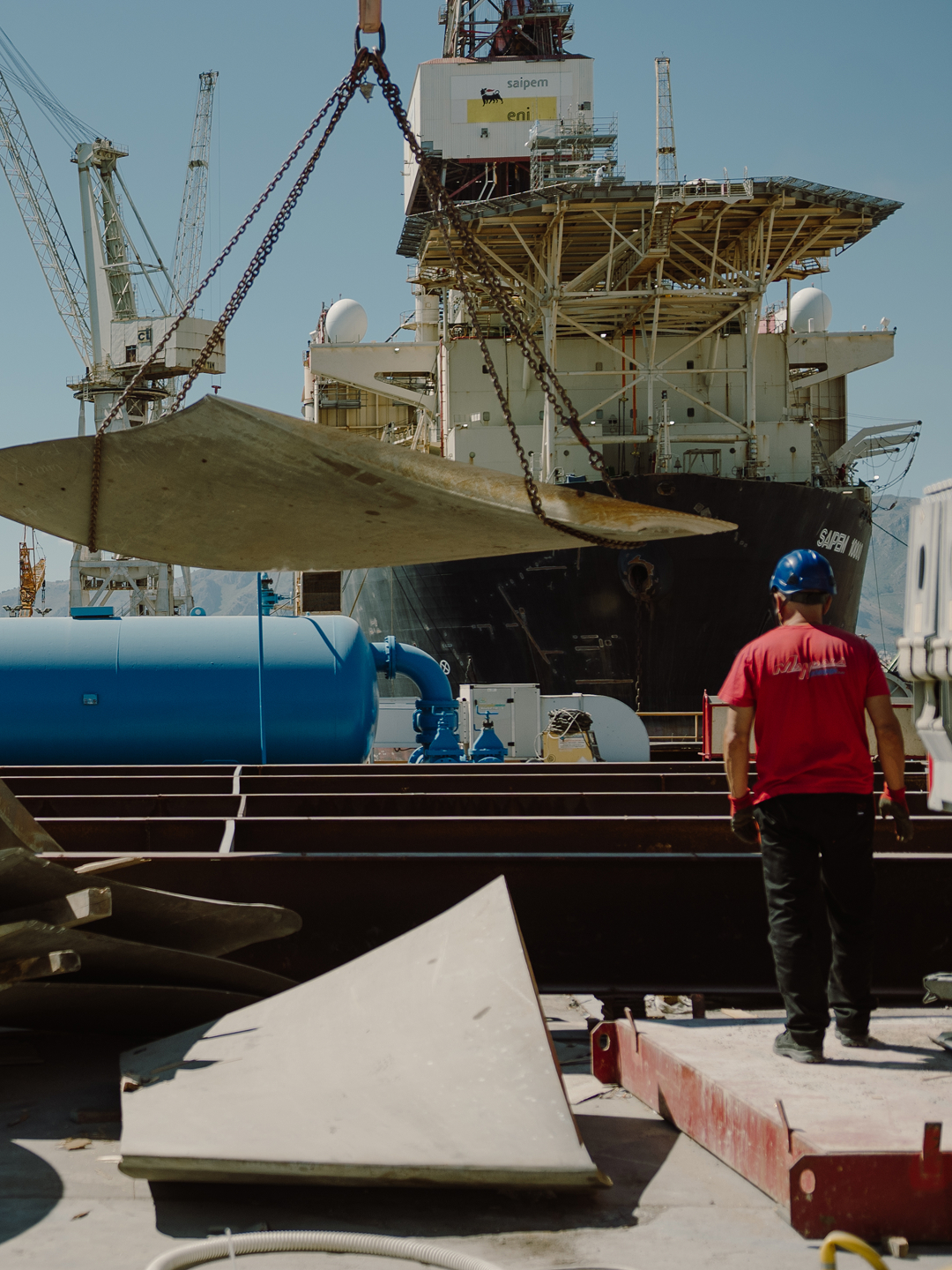
You can’t just pick up a 46,000-kilo ship’s propeller and put it in a container. That’s why the solution started right at the shipyard itself. Our team cut the individual propeller blades on site. In this way, we broke down the enormous ship’s propellers, step by step, into pieces small enough to be transported by sea container.
When moving the heavy sections, we were then able to use the construction site crane. We used it to hoist the cut sections in a controlled manner and load them safely into the containers. With parts of this size, that’s no small matter. So you plan the sawing, hoisting, moving, and loading as a single process and carry it out in a controlled manner.
From Palermo to Rotterdam: 92 metric tons of metal on the move
Once the ship propellers had been cut down to size and the heavy parts were safely stowed in the shipping containers, the next phase could begin: transport from Sicily to the Netherlands. The containers, containing a total of 92,000 kilograms of CuNiAl, departed from Palermo bound for Rotterdam. But that wasn’t the end of the job for Krommenhoek Metals, as the subsequent logistics and processing are also part of the process we organize for our client.
And that’s exactly where the perspective shifts. For the shipyard, the two enormous ship propellers had, in fact, outlived their usefulness. For us, they still represent 92 metric tons of valuable metal. It’s no coincidence that CuNiAl is an aluminum-bronze copper alloy used, among other things, for ship propellers. After a propeller like this has served its initial lifespan, the metals that make up the alloy remain valuable raw materials. That’s why the journey didn’t end in Rotterdam.
Raw materials count twice: from CuNiAl to the smelter
From Rotterdam, the aluminum bronze makes its way to the smelter. There, they melt the material down into new metal. And that is precisely what metal recycling is all about. The metal that was once needed to produce these enormous ship propellers hasn’t disappeared at the end of their useful life. It’s still there.
For Krommenhoek Metals, an old ship’s propeller is therefore not a finished product that has become waste. We look at the material it contains and its next use. First, 46 metric tons of ship’s propeller; then, raw material again. With two propellers, this project involves 92 metric tons of material that finds its way back into the metal industry. The raw material gets a second life—which is great for the environment!
From shipyard to smelter: one company that handles it all
An international recycling project like this requires more than just knowledge of metal prices. It is necessary to consider:
- Work Activities and On-Site Safety
- the necessary equipment
- reducing the size of the objects
- the lifting operations and the loading
- transportation and the accompanying documentation
- the final destination of the material
That is exactly where Krommenhoek can take the burden off clients. We don’t just buy the scrap metal; we also work with you to figure out how to safely transport 92 metric tons from a shipyard in Southern Europe to its next destination.
In Palermo, we handled the entire process from start to finish. Our team carried out the work on-site, prepared the ship’s propellers for transport, used the shipyard crane to safely load the heavy components, and then organized the rest of the logistics. For the client, the result was straightforward: a professionally executed project without having to worry about the removal and processing of 92 metric tons of metal. After nearly two weeks, our employees were able to leave the shipyard in Palermo behind. The client was satisfied, the work was safely completed, and two enormous ship propellers were on their way to their next destination.
Should I dispose of or recycle an old bronze ship propeller?
Two 46-metric-ton ship propellers, downsized at a shipyard in Palermo, were safely transported by sea container to Rotterdam and ultimately recycled efficiently. We’re proud of a project like this—not so much because of its scale, but because of the way our people carried it out: starting early, working methodically, and leaving the shipyard safely behind after nearly two weeks.
Is something similar happening at your shipyard, shipping company, or maritime business? Feel free to contact us, and we’ll work with you to determine what’s needed. If you’d like to know what your item is first, check out our page on old ship propellers. You can also send a photo via our WhatsApp service.
Because, as far as we're concerned, metal isn't waste. It's a raw material for the next time.
Need help?
Do you have any questions, or would you like immediate assistance? Our team is ready to provide you with personalized advice and the right solution.